Deciding how to give can feel overwhelming. You want your generosity to reach the people who need it most, to follow Islamic guidance, and to be secure and trackable. In Pakistan, there are many ways to give, and understanding the difference between zakat and sadaqah helps you make choices that are both religiously sound and socially effective. This guide explains the practical differences between zakat and sadaqah, shows concrete ways to use each one in Pakistan, gives checks to verify charities, and offers an easy action plan you can use right away.
Zakat is an obligatory pillar of Islam for those who meet the nisab threshold. It is intended to support specified categories of people, including the poor, the needy, those in debt, wayfarers and others listed in classical fiqh. In Pakistan, the common practical rule used by most charities and calculators is to pay 2.5 percent of qualifying wealth that has been held for one lunar year. This rate and method are used by major Pakistani charities and zakat calculators.
Sadaqah is voluntary giving that has no minimum or strict rules attached. You can give sadaqah at any time, in any amount, and for any purpose, including causes that fall outside the technical categories of zakat, such as operational costs for relief work, building a community school, sponsoring training, or supporting general welfare. Sadaqah is flexible, and that flexibility is powerful because it can be used for rapid response or for covering programme costs that zakat cannot legally pay.
The difference matters for both the donor and the recipient. Zakat has legal and religious guidelines about who qualifies to receive it. Sadaqah can be used more freely for prevention and capacity building. If your priority is to help immediate families put food on the table, zakat or targeted cash transfers for eligible households work well. If your priority is to fund an eye camp, a vaccination drive, or administrative costs that make relief possible, sadaqah is the right vehicle.
A helpful quick rule: use zakat to fulfil the religious obligation toward eligible people, and use sadaqah to cover gaps, logistics and capacity that make aid sustainable. A recent research estimate shows Pakistanis paid about Rs 619 billion in zakat in 2024, with roughly 50 million people contributing. That scale demonstrates how large and powerful zakat flows can be when pooled and directed well.
Pakistan is also home to millions of vulnerable children. UN linked estimates and local charity reports place orphaned children in the millions, a reminder that targeted sponsorship and child focused programmes are urgent areas for giving. This is why many donors in Pakistan choose to split zakat and sadaqah between immediate household support and longer term child welfare programmes.
Zakat must reach eligible recipients. Here are pragmatic, high impact ideas that work in an urban Pakistani context like Karachi.
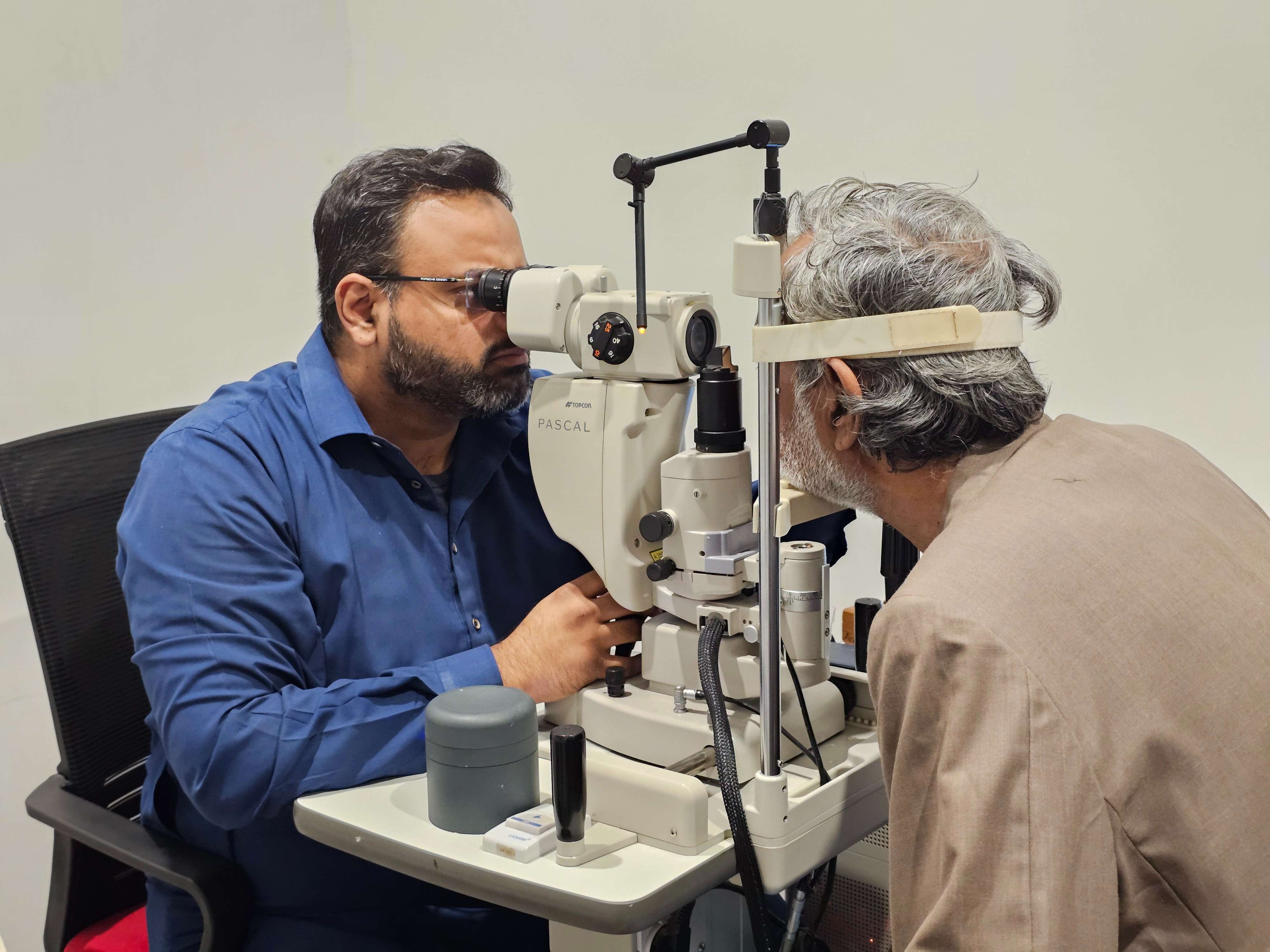
If you prefer to give in a way that supports medical outreach in Karachi, consider donating to POB Trust Karachi, which runs free eye care, surgeries and community clinics that reach deprived neighbourhoods. Donating zakat to such local partners directs resources to immediate clinical needs and outreach.
Sadaqah is the flexible engine of social programs. Consider these uses.
Example 1: Individual donor with Rs 100,000 to allocate
40,000 as zakat for verified household cash transfers (target 10 families)
30,000 as zakat for school sponsorships for poor children
30,000 as sadaqah to fund a community health camp and operational costs
Example 2: Mosque zakat pool managing Rs 1,000,000
50 percent for zonal zakat (food, rent relief, debt relief)
30 percent for orphan sponsorship and education (zakat eligible recipients)
20 percent for sadaqah (community infrastructure, local microloan admin, outreach logistics)
These splits are examples. The key is to keep clear records, track beneficiaries, and publish a short impact report for your donors.
Choosing a trustworthy partner is essential. Here is a short verification checklist you can run quickly.
Check registration and governance: Is the organisation registered in Pakistan and do they publish a registration number and board details? For medical and community NGOs, check whether they list their project locations and contact details. POB Trust Karachi, for instance, lists its history of free eye care and outreach work on its site.
Ask for zakat segregation and receipts: If you specify zakat, ask the charity to keep zakat funds in a separate ledger or account and issue a zakat labelled receipt. This matters for transparency and your own record keeping.
Request beneficiary lists and short impact updates: A reputable partner will provide anonymised beneficiary confirmation or photos, plus a short report showing how funds were spent and who benefited.
Check audits and annual reports: Prefer organisations that publish audited financial statements or summary impact reports. If in doubt, ask for references from other donors or local community leaders.
Avoid these red flags: Requests for transfer to personal accounts, pressure to give without documentation, and vague promises with no follow up are all reasons to pause.
Donations to approved charities in Pakistan may qualify for tax credits when the charity is registered with the FBR for deductibility. If you care about tax benefits, ask for an FBR compliant receipt. Keep digital screenshots and bank confirmations of transfers for your files. Also, when giving zakat, keep zakat receipts separate from general donation receipts to make religious accounting easier. Public datasets such as zakat receipts compiled by the State Bank and government sources provide transparency atthe national level if you need official confirmation.
Most charity articles mention sponsorships and funds. A unique, high impact practice is to form a neighbourhood zakat circle, pool small zakat contributions, and manage them with a simple public ledger.
How does it work? Form a small committee of trusted neighbours or mosque members. Use an easily available digital ledger or spreadsheet shared with members. Pool zakat monthly. Use a simple vetting rubric for beneficiaries and rotate committee membership for checks and balances. Publish a one page monthly update with anonymised beneficiary details and receipts.
Why does it stand out? It combines local knowledge with transparency, reduces admin costs, and gives donors control and assurance. It also builds community cohesion and makes zakat local and accountable. If you need an example partner to handle medical referrals that the circle identifies, POB Trust Karachi offers outreach programmes and surgical support that local zakat circles can recommend to beneficiaries for specialised care.
A mosque in Karachi set up a campaign during Ramadan. They collected zakat for verified in-city households and invited donors to top up with sadaqah for a health camp that served displaced families.
Zakat covered direct household relief, while sadaqah financed the camp logistics, medicines and volunteer travel. The mosque published a one page report after Eid with beneficiary numbers and photos, increasing donor trust and showing how the two vehicles complemented each other.
If you want to act now and make a visible difference in Karachi, consider a split approach: pay your zakat to verified poor families and give sadaqah to underwrite an outreach or health camp. For a trusted local partner that runs medical outreach and free clinics in Karachi, donate to POB Trust Karachi and specify whether your gift is zakat or sadaqah so they can allocate it appropriately and provide a receipt and impact update. Their local experience makes them a practical option for donors who want both accountability and community reach.