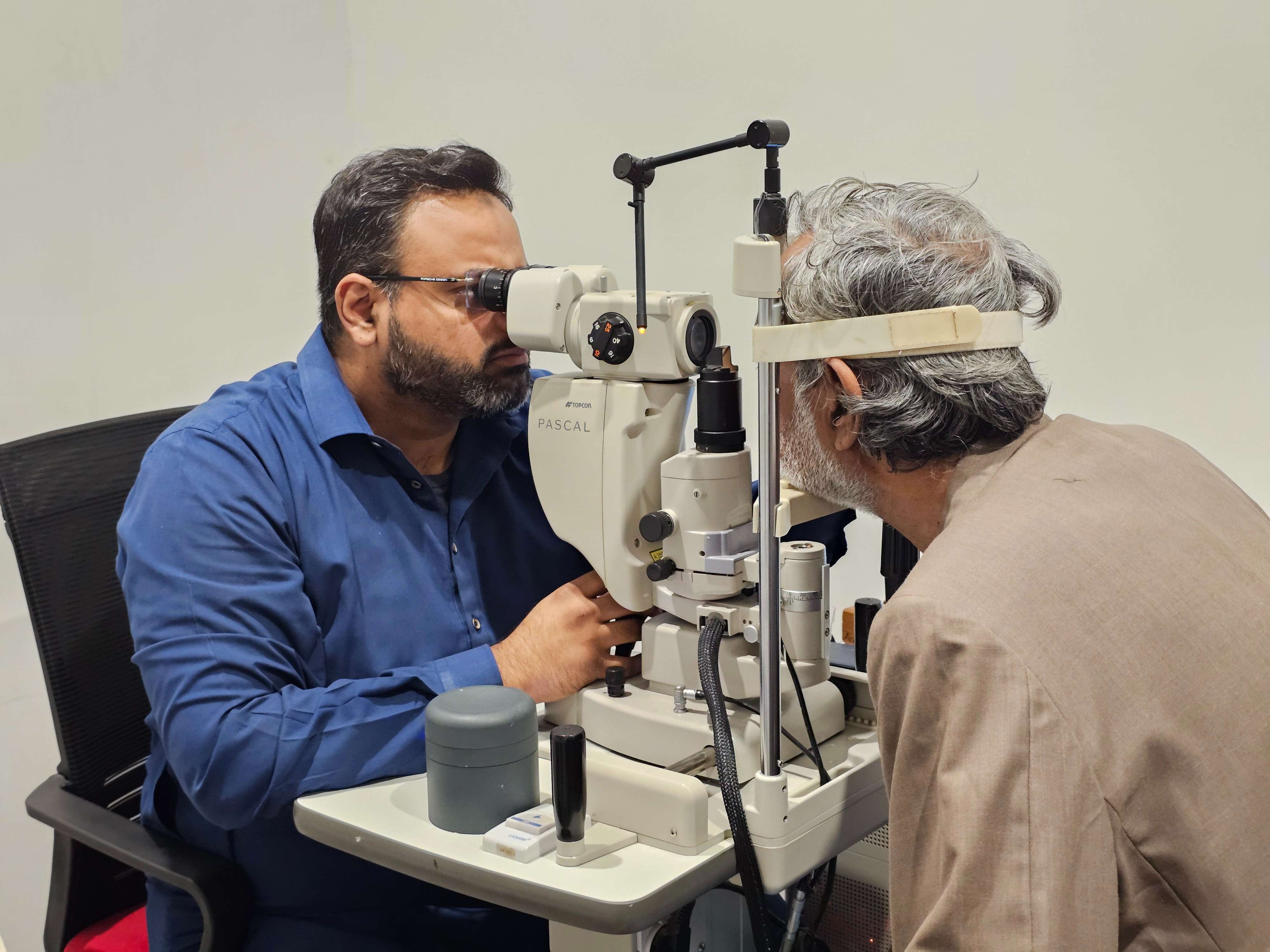
Our eyes are one of the most delicate organs in the human body. They help us see and experience the world around us, but they are also vulnerable to infections caused by bacteria, viruses, and fungi. Eye infections can range from mild irritations to serious conditions that can threaten vision if not treated properly. Fortunately, most eye infections can be prevented by maintaining good hygiene and following simple care tips.
This article explains the most common causes of eye infections and provides practical steps you can take to protect your eyes and maintain healthy vision.
Before learning how to prevent them, it’s helpful to know which types of infections are most common and what causes them.
Conjunctivitis is one of the most frequent eye infections. It occurs when the thin, transparent layer covering the white part of your eye and the inside of your eyelids becomes inflamed. It can be caused by bacteria, viruses, allergens, or irritants like smoke and dust. Symptoms often include redness, itching, and watery or sticky discharge.
Blepharitis is inflammation of the eyelids, usually caused by bacteria or skin conditions such as dandruff or rosacea. It can cause irritation, redness, and crusty deposits around the eyelashes. Although not contagious, it tends to be a chronic condition that requires good eyelid hygiene to manage.
Keratitis refers to inflammation or infection of the cornea, often resulting from contact lens misuse, eye injury, or exposure to contaminated water. It can be bacterial, viral, or fungal in nature. Symptoms include pain, light sensitivity, blurred vision, and excessive tearing.
A stye is a small, painful lump that forms at the base of an eyelash or inside the eyelid due to an infected oil gland. It can cause swelling, tenderness, and redness around the eyelid area.
Fungal infections are less common but can develop after an eye injury involving plant material or exposure to contaminated water. Viral eye infections, such as those caused by herpes simplex or adenoviruses, can also lead to inflammation and discomfort.
Several factors increase the risk of developing eye infections:
By identifying and managing these risk factors, you can significantly reduce your chances of developing an infection.
Your hands come into contact with countless germs throughout the day. Touching your eyes with unclean hands can easily transfer bacteria or viruses. Always wash your hands with soap and water before touching your eyes, applying makeup, or inserting contact lenses.
Rubbing your eyes may provide temporary relief but can introduce harmful microorganisms or worsen irritation. If your eyes itch or feel dry, use artificial tears or consult your eye doctor for appropriate treatment.
Contact lenses require extra care since they come in direct contact with your eye’s surface. Follow these essential steps:
Eye makeup can easily become a breeding ground for bacteria. To keep your eyes safe:
Whether you are working with chemicals, gardening, or swimming, always wear protective eyewear. Goggles or safety glasses shield your eyes from dust, debris, and harmful microorganisms present in water or air.
Clean eyelids prevent the buildup of oil, dirt, and bacteria. Use a gentle eyelid cleanser or baby shampoo diluted with water to clean your eyelid margins daily, especially if you have blepharitis or sensitive skin.
Never share eye drops with others, and always check the expiry date before use. If you use medicated drops, store them as directed and avoid touching the dropper tip to your eye or skin to prevent contamination.
Using old eye drops, lenses, or makeup can introduce bacteria or irritants into your eyes. Always discard products past their expiration date and replace them regularly.
If someone around you has an eye infection, avoid sharing towels, pillows, or personal care items. Wash your hands frequently and disinfect commonly touched surfaces to prevent spreading the infection.
A strong immune system helps your body fight off infections naturally. Eat a balanced diet rich in vitamins A, C, and E, stay hydrated, and get adequate sleep. Regular exercise and stress management also play a key role in maintaining eye health.
Even with good hygiene, infections can occasionally occur. See an eye specialist immediately if you experience:
Prompt diagnosis and treatment can prevent complications and protect your vision.
Eye infections are not only uncomfortable but can also affect your daily life if left untreated. Thankfully, most infections can be prevented through simple habits like keeping your hands clean, practicing good contact lens hygiene, and avoiding shared personal items. Regular eye care and prompt medical attention for any unusual symptoms can go a long way in protecting your eyesight.
By making eye hygiene a daily priority, you can maintain clear, healthy vision and reduce your risk of infections throughout your life.