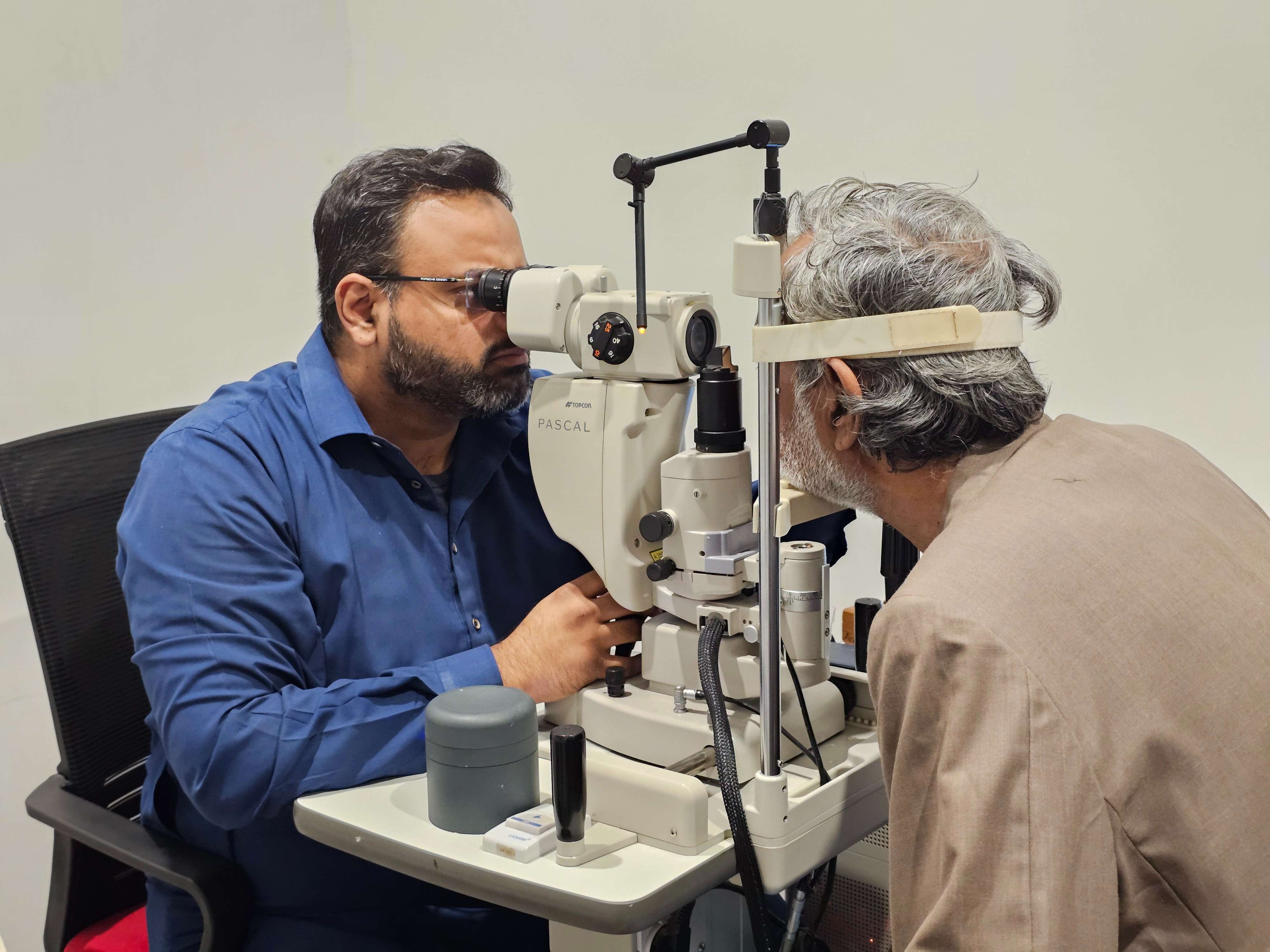
The cornea is the clear, dome-shaped surface that covers the front of the eye. It plays a crucial role in focusing light onto the retina, allowing us to see clearly. Because it is exposed to the environment, the cornea is also vulnerable to a range of diseases, infections, and injuries. Corneal problems can lead to discomfort, blurred vision, and, in severe cases, permanent vision loss if not treated promptly.
Understanding the symptoms, available treatments, and preventive strategies can help protect your eye health and maintain clear vision throughout life.
The cornea serves as the eye’s first line of defense against dust, germs, and harmful particles. It also contributes to approximately two-thirds of the eye’s focusing power. The cornea has five layers known as epithelium, Bowman’s layer, stroma, Descemet’s membrane, and endothelium and each with a unique function. Damage to any of these layers can disrupt vision and cause pain or inflammation.
Keratitis is inflammation of the cornea that can result from infections (bacterial, viral, fungal, or parasitic) or noninfectious causes like contact lens overuse or injury.
Symptoms include: redness, severe pain, light sensitivity, watery eyes, and blurred vision.
Treatment: depends on the cause.
Bacterial keratitis: treated with antibiotic eye drops.
Viral keratitis: managed with antiviral medication.
Fungal keratitis: treated using antifungal drops or oral medication.
Prompt medical attention is crucial, as untreated keratitis can cause corneal scarring or even blindness.
A corneal ulcer is an open sore on the corneal surface, often resulting from untreated infections, trauma, or improper contact lens use.
Symptoms include: eye pain, redness, excessive tearing, blurred vision, and discharge.
Treatment: includes antibiotic or antifungal drops, and in severe cases, surgery may be necessary. Never use steroid drops unless prescribed, as they can worsen the condition.
Keratoconus is a progressive condition where the cornea thins and bulges outward into a cone shape, distorting vision. It typically begins in the teenage years and can worsen over time.
Symptoms include: increasing nearsightedness, light sensitivity, and distorted vision.
Treatment:
In early stages, glasses or soft contact lenses may correct vision.
As the disease progresses, rigid gas-permeable or scleral lenses help reshape the cornea.
In advanced cases, corneal cross-linking or corneal transplant may be needed to stabilize vision.
Corneal dystrophies are a group of genetic disorders that cause cloudy deposits to form in the cornea. These deposits interfere with vision and may cause discomfort.
Common types: Fuchs’ dystrophy and lattice dystrophy.
Symptoms include: blurred vision, glare sensitivity, and corneal swelling.
Treatment: includes lubricating eye drops to relieve dryness, salt drops to reduce swelling, and in advanced cases, corneal transplant surgery.
A corneal abrasion is a scratch or injury on the corneal surface caused by fingernails, dust, or contact lenses.
Symptoms include: pain, tearing, redness, and a sensation of something stuck in the eye.
Lubricating drops or antibiotic ointments help prevent infection.
Avoid rubbing the eye or wearing contact lenses until fully healed.
Most corneal abrasions heal within a few days with proper care.
While symptoms vary depending on the condition, common signs that indicate a corneal problem include:
If you experience any of these symptoms, it is important to seek prompt evaluation by an eye specialist.
Eye doctors use several advanced tools to diagnose corneal conditions accurately:
These tests help determine the severity of the disease and guide appropriate treatment.
Treatment depends on the type and severity of the disease. Early intervention often prevents complications.
Antibiotic or antiviral drops: for infections.
Anti-inflammatory drops: to reduce swelling and discomfort.
Lubricating eye drops: to relieve dryness and promote healing.
Contact lenses: special lenses can help reshape or protect the cornea.
Corneal cross-linking: strengthens the cornea in keratoconus and halts disease progression.
Amniotic membrane therapy: helps heal persistent corneal ulcers.
When medications or non-surgical methods are ineffective, surgery may be required.
Phototherapeutic keratectomy (PTK): uses a laser to remove damaged tissue and smooth the cornea.
Corneal transplant (keratoplasty): replaces a damaged or scarred cornea with a healthy donor cornea.
Artificial cornea (keratoprosthesis): an option for patients who cannot undergo traditional transplant surgery.
Prevention plays a vital role in maintaining corneal health. Simple habits can significantly reduce the risk of injury and infection.
2. Protect Your Eyes
Dry eyes can increase the risk of corneal irritation. Stay hydrated and use lubricating eye drops if you experience dryness.
Diseases such as diabetes and autoimmune disorders can affect the cornea. Regular medical checkups and proper management of these conditions help reduce complications.
Rubbing your eyes can damage the corneal surface and worsen conditions like keratoconus. If your eyes itch, use lubricating or antihistamine drops instead.
You should seek immediate medical attention if you experience any of the following:
Early diagnosis and treatment can prevent vision loss and restore eye comfort.
The cornea plays a vital role in maintaining clear vision, and protecting it should be a priority for everyone. Corneal diseases can range from mild irritation to severe conditions that threaten eyesight, but most can be managed effectively when diagnosed early. Regular eye exams, proper hygiene, and protective habits are essential for preventing corneal damage. If you ever notice unusual symptoms or discomfort, consult an eye care professional immediately. Taking preventive steps today can help preserve your vision for a lifetime.