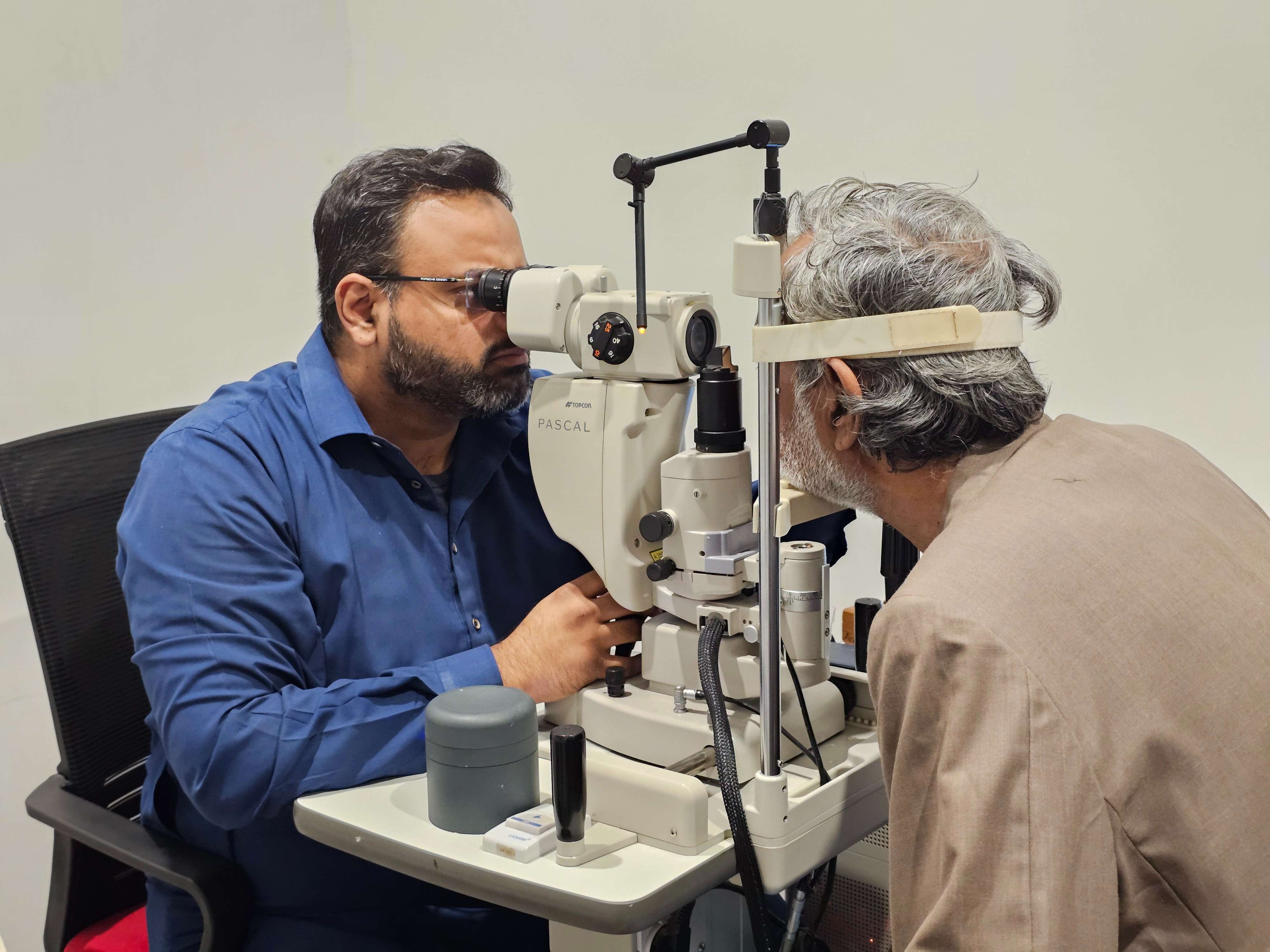
Eye irritation is one of the most common discomforts people experience in daily life. Whether it’s a sudden itch, redness, dryness, or that scratchy “sand-in-the-eye” feeling, irritation can disrupt work, concentration, and overall comfort. Because eye issues often seem minor at first, many people instinctively turn to home remedies passed down through families. Others prefer medical treatment right away, unsure of how serious the symptoms may be.
At POB, we believe in helping people make informed decisions about their eye health. This guide explains what causes eye irritation, which home remedies actually help, when they don’t, and when medicaltreatment becomes necessary.
Eye irritation can appear suddenly or gradually, and the cause isn’t always obvious. Common reasons include:
Each of these triggers affects the eye differently, which is why the right treatment depends heavily on what caused the irritation in the first place.
Home remedies are appealing because they’re quick, accessible, and feel natural. However, not all of them are equally safe or effective. Here’s what you need to know.
A cold compress can reduce swelling, redness, and itching. It helps especially after exposure to allergens, crying, or environmental irritants. A clean, cold cloth placed on closed eyes for a few minutes can offer relief.
Why it works: Cooling reduces inflammation and soothes irritated tissue.
Warm compresses work well for issues like clogged oil glands, dry eyes, or crusting around the eyelids. The warmth increases circulation and loosens blockages.
Why it works: Many eyelid-related issues respond well to gentle heat that softens hardened oils.
Over-the-counter lubricating drops are among the most effective home remedies. They replenish moisture, wash away irritants, and reduce that scratchy feeling.
Best for: Dry eyes, screen strain, windy environments, and contact-lens discomfort.
Staring at screens reduces blinking, leading to dryness. Taking a break every 20 minutes to look at an object 20 feet away for 20 seconds helps reset the eyes.
For people with flaky or irritated eyelids, gently cleaning the eyelids with warm water helps remove debris and reduce irritation.
Dry indoor air—especially in winter or air-conditioned rooms—can worsen eye dryness. A humidifier adds moisture to the air and eases irritation.
Some traditional remedies are unsafe and may introduce bacteria or cause injury. These include:
Your eyes are extremely sensitive, and unsterile substances can cause severe infections. When in doubt, avoid applying anything that isn’t medically approved.
If your symptoms fit these categories, safe home techniques like compresses and artificial tears are often sufficient.
Some eye problems cannot be solved at home and need professional care. Medical treatment is important when:
1. The irritation persists for more than 48 hours.
If symptoms aren’t improving or are getting worse, it could indicate infection, inflammation, or a deeper issue.
2. There is significant pain.
Eye pain is never normal and can indicate something serious like corneal injury or infection.
3. There is yellow or green discharge.
Mild watery discharge is common, but thick discharge often signals infection that requires medical treatment.
4. Vision changes occur.
Blurry vision, light sensitivity, or sudden difficulty focusing should be treated as urgent concerns.
5. There is a foreign object stuck in the eye.
Rinsing is fine for small debris, but anything sharp or persistent needs professional removal.
6. A chemical enters the eye.
Immediate flushing with clean water is necessary, followed by medical evaluation.
7. Contact-lens wearers experience irritation.
Lens-related irritation is more complex and sometimes masks infections that can worsen quickly.
Getting the right diagnosis ensures proper treatment and protects long-term eye health.
Choosing between home remedies and medical care doesn’t need to be confusing. A simple approach can help you decide:
Was it smoke? Screens? Dust? Allergens? If yes, home care may be enough.
Mild redness = likely manageable at home
Pain, discharge, or swelling = medical care needed
If you’re not improving within two days, seek medical advice.
Avoid substances that aren’t sterile or designed for eye use.
Pain, blurred vision, or injury should never be ignored.
Small daily habits reduce the frequency and intensity of irritation.
Home remedies can be helpful, especially for mild and short-term irritation. Warm compresses, cold compresses, artificial tears, and lifestyle adjustments are often enough to bring relief. However, it’s equally important to recognize when irritation signals something more serious.
Your eyes are delicate, and relying too heavily on DIY methods—or using unsafe traditional remedies—can increase the risk of complications. When symptoms are severe, persistent, or concerning, medical treatment is the safest and most effective choice.
At POB, our mission is to guide you toward smarter, safer eye-health decisions. If you experience ongoing discomfort, don’t hesitate to seek proper evaluation. Protecting your vision today ensures healthier eyes for years to come.