Zakat is more than an obligation. When spent thoughtfully, it becomes a powerful tool to change lives and build long term resilience in families and communities. If you live in Karachi and want your zakat to do more than meet immediate needs, this guide shows practical, tested ways to use it for education, orphan sponsorship and microloans.
Below you will find clear options, real numbers that matter in Pakistan, smart checks for choosing partners, examples of how a modest zakat allocation can scale, and one creative idea many donors miss that multiplies impact.
Zakat’s purpose is to support the needy and reduce hardship. Three uses that multiply social returns are education, orphan sponsorship and microloans.
Education breaks the poverty cycle by improving lifetime earnings and social participation. Pakistan still faces large education gaps and millions of out of school children which makes education a high leverage area for zakat.
Orphan sponsorship protects the most vulnerable children. Pakistan has an estimated 4.6 million orphaned children and targeted support for education, nutrition and psychosocial care changes life trajectories. Sponsoring an orphan provides stability rather than one off relief.
Microloans transform receivers into small business owners. Microfinance in Pakistan reaches millions and shows how small capital injections create steady income and local jobs. The microfinance sector counted around 9.3 million active borrowers recently, showing both scale and opportunity to expand reach through zakat funded revolving loan pools.
Pakistan’s zakat giving is substantial. Recent analyses estimate Pakistanis contribute hundreds of billions of rupees annually in zakat, indicating enormous potential when pooled toward systemic programs. One recent estimate placed aggregate zakat flows at over Rs 619 billion in a year.
That scale means well targeted zakat can fund national level programs if coordinated. Pakistan has about 4.6 million orphan children. That context makes orphan sponsorship not just compassionate but a pressing social priority where zakat can deliver lifelong returns.
A rupee spent on a child’s school fees, books and uniforms today reduces future dependency and increases chances of steady employment. Education spending addresses immediate needs and builds capacity. Here is how to structure an education zakat program:
Scholarship bundles. Pool zakat to underwrite school fees plus essential supplies for a specified number of children for a year. Make the scholarship conditional on attendance and progress reporting.
Bridge funding for non formal education. Use zakat to fund community learning centres that teach literacy, numeracy and vocational skills for older children and young women who missed formal schooling.
School improvement grants. Small grants to neighbourhood schools for learning materials, teacher training and repairs keep facilities open and serve many students.
What to check before you donate your zakat for education? Ask for baseline metrics: current attendance, retention rates, teacher pupil ratio and expected learning outcomes. Insist on quarterly reporting and photos or simple progress cards from beneficiaries. Prefer programs that partner with local schools and that have a clear exit or scale plan.
If a donor pools Rs 300,000 in zakat, they might fund 30 scholarships at Rs 10,000 each for a school year, including fees and supplies. Require minimal progress reporting and combine it with a career counselling session at the end of the year to multiply the effect.
Regular, predictable support restores childhood stability. Sponsorship covers schooling, healthcare, nutrition and social support. It also helps institutions plan long term and provide psychosocial care, which is often missing in ad hoc giving. Here is how to structure orphan sponsorship with zakat:
Monthly sponsorship model. Use zakat to pay a monthly stipend that covers essentials and education for each sponsored child.
Holistic packages. Combine financial support with mentoring, healthcare checks and life skills programs.
Community guardianship. Where possible, fund family strengthening so orphans can stay with relatives rather than large institutional care when that is culturally or developmentally preferable.
How to pick an orphan sponsorship program? Confirm the sponsor does background checks on caregivers, has transparency on how funds are used, and provides regular case updates. Ask if the program includes mental health and schooling goals, not just cash disbursement.
With roughly 4.6 million orphaned children in Pakistan, community based sponsorship programs built around education and nutrition are urgent. Donors can choose sponsorships that operate in Karachi neighbourhoods or nationwide programs that place children in community foster arrangements.
A zakat-funded microloan turns a one time gift into an ongoing income stream when structured as a revolving fund. Small loans let a borrower buy stock, buy a sewing machine or start a food stall. As they repay, the fund recycles capital to help more households. Here are design principles for zakat microloan funds:
Target the poorest entrepreneurs. Combine microloans with basic business training and a small grant for startup costs.
Keep loans small and repayment schedules realistic. Typical microloan ranges vary, but start small and build trust.
Create a revolving fund. Repaid principal replenishes the pool, so zakat dollars keep helping new borrowers over the years.
Measure outcomes. Track income change, household food security and school retention for children.
Why does due diligence matter? Microfinance requires oversight. Partner with an established microfinance institution or partner with microfinance banks that have infrastructure for loan administration and collection. Check that the partner keeps interest policies Sharia compliant when required and that microloan recipients are prioritized by need rather than collateral.
Microfinance in Pakistan already reaches millions. If zakat donors fund targeted microloan windows for women entrepreneurs in Karachi, those loans can increase household income and empower women to invest in their children’s schooling and health.
Checklist before you donate:
Are they registered and governed by a board with financial transparency.
Do they publish impact reports and beneficiary stories.
Can they provide specific program budgets and outcomes for the zakat funds you plan to give.
Do they allow restricted or designated zakat use so your money funds education, orphans or microloans specifically.
Do they offer clear donor receipts and Islamic compliance assurance.
If you want to donate to a local Pakistani charity that runs medical and community programs, consider donating to POB Trust Karachi. POB Trust has a long history of community health outreach and surgical programs and they accept zakat to support free services and outreach clinics. Donating to POB Trust Karachi directs funds to local programmes with an established delivery track record.
Think multi year. Commit zakat to multi year plans where possible so programs can plan and scale.
Instead of single direct payouts, create a zakat funded social franchise. This is a small, replicable model like a community preschools chain, a mobile eye care unit, or a women’s tailoring co-op that receives initial zakat seed funding and then pays a modest franchise fee back into a zakat managed fund. The fund then supports new franchises. This blends zakat charity with sustainable scale.
Why does it work? It builds local ownership, creates jobs, ensures quality through a repeatable model, and recycles funds into more units. For example, zakat can seed community learning centres that charge a token fee and return surplus to the revolving zakat fund, expanding reach over time.
How to pilot in Karachi? Start with one neighbourhood preschool or a women’s tailoring hub. Use zakat for setup costs, training and initial operating subsidies. Measure attendance, job creation and financial sustainability over 12 months and then scale to other neighbourhoods using the revolving model.
A modest breakdown for a single donor’s annual zakat pool of Rs 120,000:
Rs 48,000 for education scholarships (4 scholarships of Rs 12,000 each)
Rs 36,000 for orphan sponsorship (3 sponsored children at Rs 12,000 each)
Rs 36,000 for a microloan revolving fund seed (3 microloans of Rs 12,000 each)
This is an illustrative example to show how zakat can be split across urgent needs while creating a lasting revolving loan capacity that benefits more people over time.
Here are some questions you need to ask:
Can you show the program's audited accounts for the last two years.
Do you provide beneficiary stories and contactable references.
Will you provide a restricted zakat receipt and confirm Islamic compliance for the designated use.
How do you measure learning gains for children or income change for microloan recipients.
Is there a follow up plan if a sponsored orphan’s circumstances change.
Create a local zakat committee that vets partners and publishes a simple annual impact report. Run a small community matching campaign where local donors match zakat funds to double the reach for a school term. Host a community learning session with partner NGOs to hear results and meet beneficiaries.
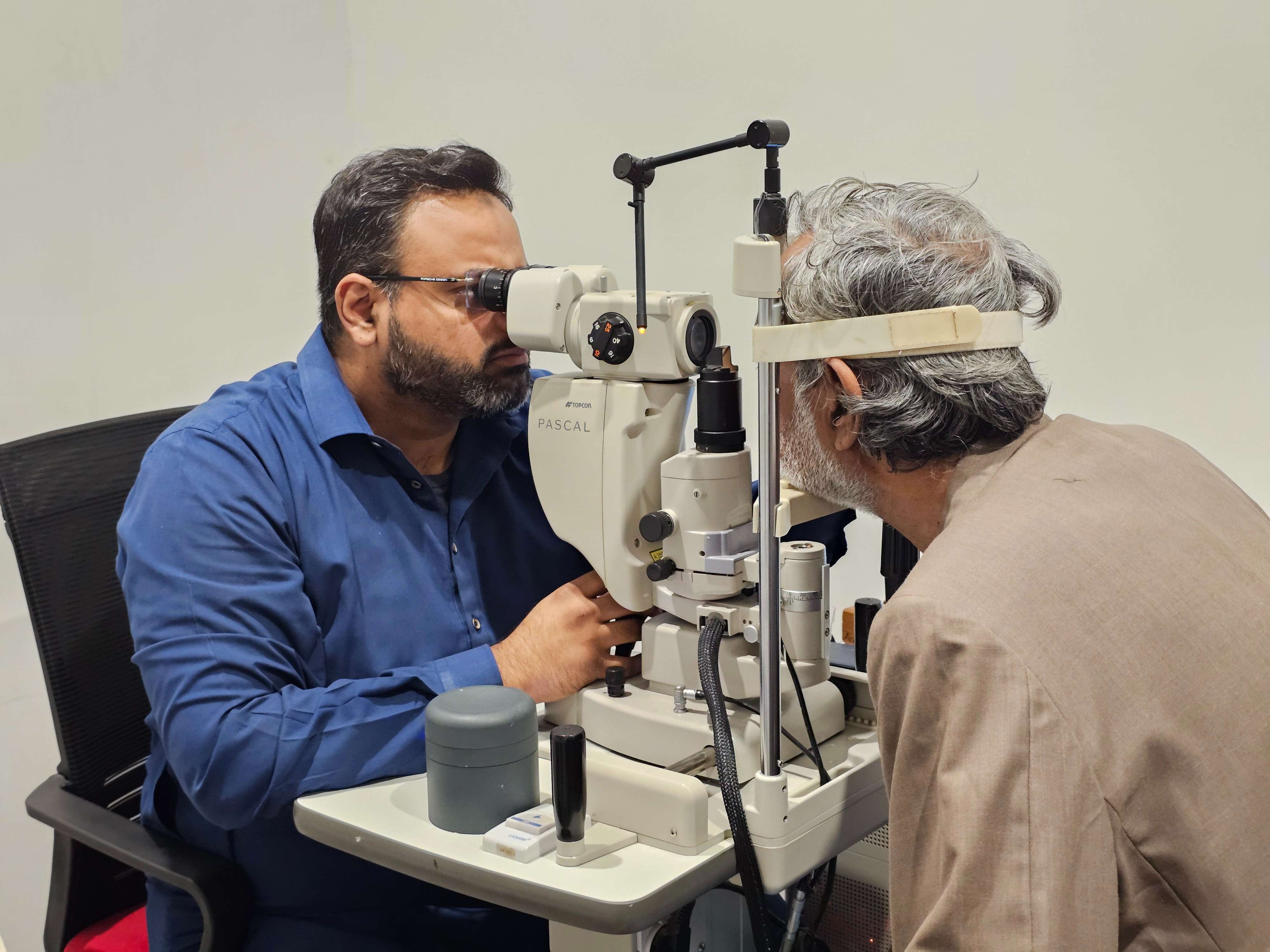
POB Trust Karachi focuses on preventing and treating avoidable blindness and runs outreach programmes and free camps that reach deprived communities. Donating zakat to organisations like POB Trust Karachi supports scaled medical outreach and avoids duplication of services because they already have field operations and clinical partnerships. If your zakat priorities include health alongside education and orphan care, consider donating to POB Trust Karachi to target medical support in Karachi neighbourhoods. POB Trust
Zakat is a moral and social resource. Used creatively, it repairs immediate suffering and builds capacity that prevents future need. If you want to donate to organisations doing hands on community work in Karachi, consider donating to POB Trust Karachi as part of a mixed approach that also funds education scholarships, orphan sponsorship and microloan revolving funds. Thoughtful zakat giving today can lower dependency tomorrow and help families stand on their feet.